
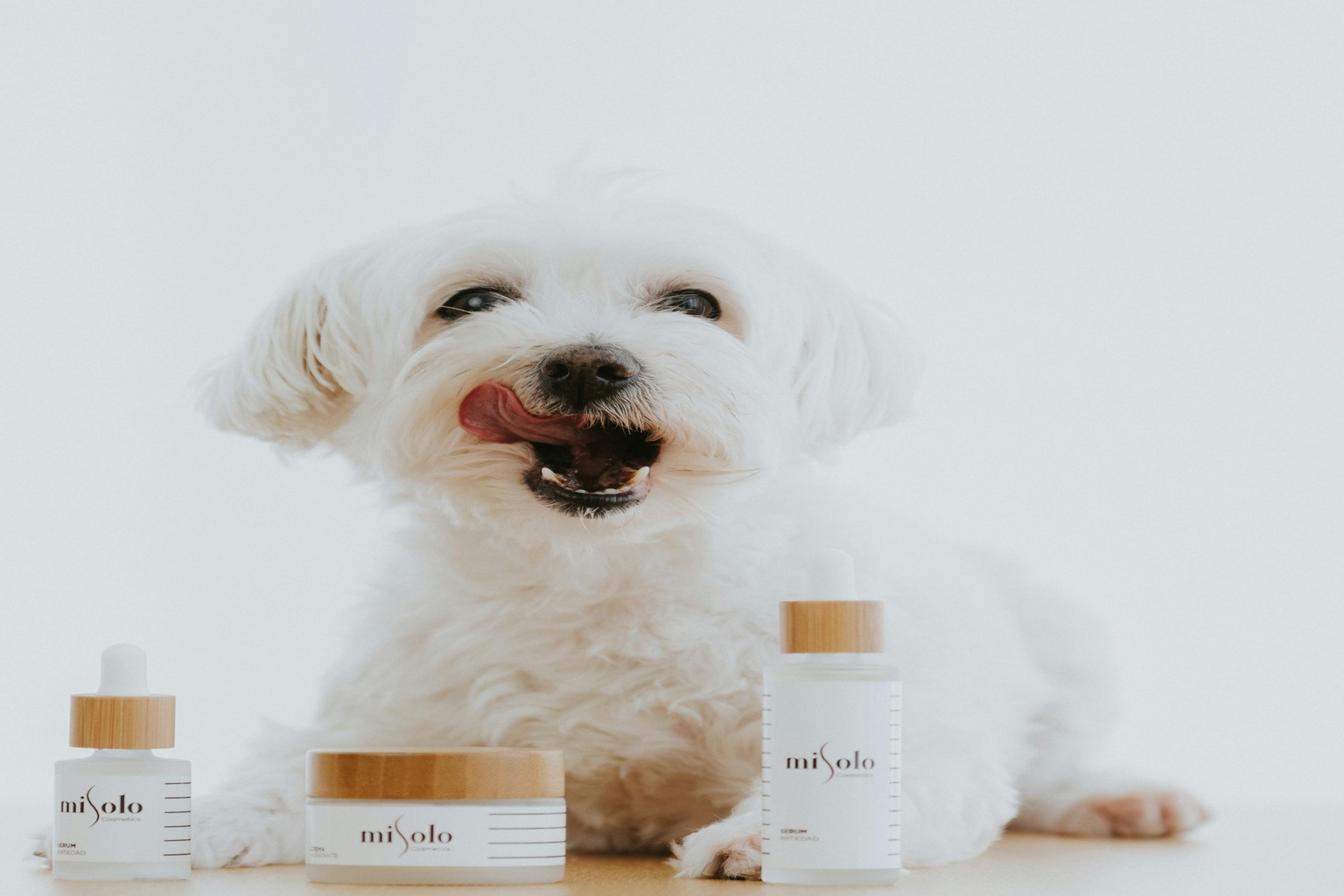
How to Groom Your Dog Safely at Home
Grooming your dog at home can be a calm, rewarding experience when done correctly. For many dog owners, it becomes more than routine care—it’s a moment of trust, bonding, and attentiveness. With the right approach, home grooming keeps your dog comfortable, healthy, and stress-free without the pressure of a professional setting.
This guide walks you through how to groom your dog safely at home, using practical, experience-based advice that prioritizes your dog’s comfort and well-being.
Why Safe Home Grooming Matters
Grooming is not just about appearance. Regular, safe grooming helps prevent skin infections, matting, parasites, and unnoticed injuries. When grooming is rushed or done incorrectly, it can cause fear, discomfort, or even injury.
A calm, safe grooming routine allows your dog to:
Feel secure in a familiar environment
Build trust with you
Stay healthy between professional grooming visits
Home grooming works best when safety and patience come first.
Preparing the Right Environment
Before you begin, set up a quiet and comfortable space. Dogs are sensitive to energy and noise, and a calm environment makes a significant difference.
Choose a location with:
Soft, natural lighting
A non-slip surface
Minimal distractions
Have all grooming tools ready before starting. Pausing frequently to search for tools can break your dog’s sense of calm.
Essential Tools for Safe Grooming
Using the correct tools reduces the risk of injury and stress. Avoid sharp, low-quality, or poorly fitting equipment.
Basic home grooming tools include:
A brush suited to your dog’s coat type
A blunt-tip grooming scissors (for small trims only)
Dog-safe shampoo
Clean towels
Nail clippers designed specifically for dogs
Each tool should feel comfortable in your hands and gentle on your dog’s body.
Brushing Your Dog Safely
Brushing is the foundation of safe grooming. Start slowly and observe how your dog reacts. Always brush in the direction of hair growth and avoid pulling.
Pay extra attention to:
Behind the ears
Under the legs
Around the neck and tail
If you encounter tangles, work through them gently rather than forcing the brush. Calm reassurance helps your dog relax during the process.
Bathing Without Stress
Not all dogs enjoy baths, but a calm approach makes it easier. Use lukewarm water and dog-safe shampoo only.
Tips for safe bathing:
Avoid water in the ears and eyes
Speak softly and move slowly
Rinse thoroughly to prevent skin irritation
After bathing, dry your dog gently with a towel. Loud dryers can cause anxiety, so allow air-drying if your dog is uncomfortable.
Nail Trimming with Care
Nail trimming is one of the most sensitive parts of grooming. Cut only small amounts at a time and stop if your dog shows discomfort.
If you’re unsure, it’s safer to trim gradually over multiple sessions rather than all at once. Calm handling and patience are essential here.
Knowing When to Stop
Your dog’s body language is your guide. If your dog becomes anxious, restless, or resistant, it’s okay to stop and continue later.
Safe grooming is never about finishing quickly—it’s about maintaining trust and comfort. Over time, short positive sessions build confidence for both you and your dog.
Building a Positive Grooming Routine
Consistency matters more than perfection. Grooming regularly in short, calm sessions helps your dog associate the experience with safety and care.
With patience, the right tools, and a gentle approach, grooming your dog at home becomes a peaceful routine rather than a stressful task